
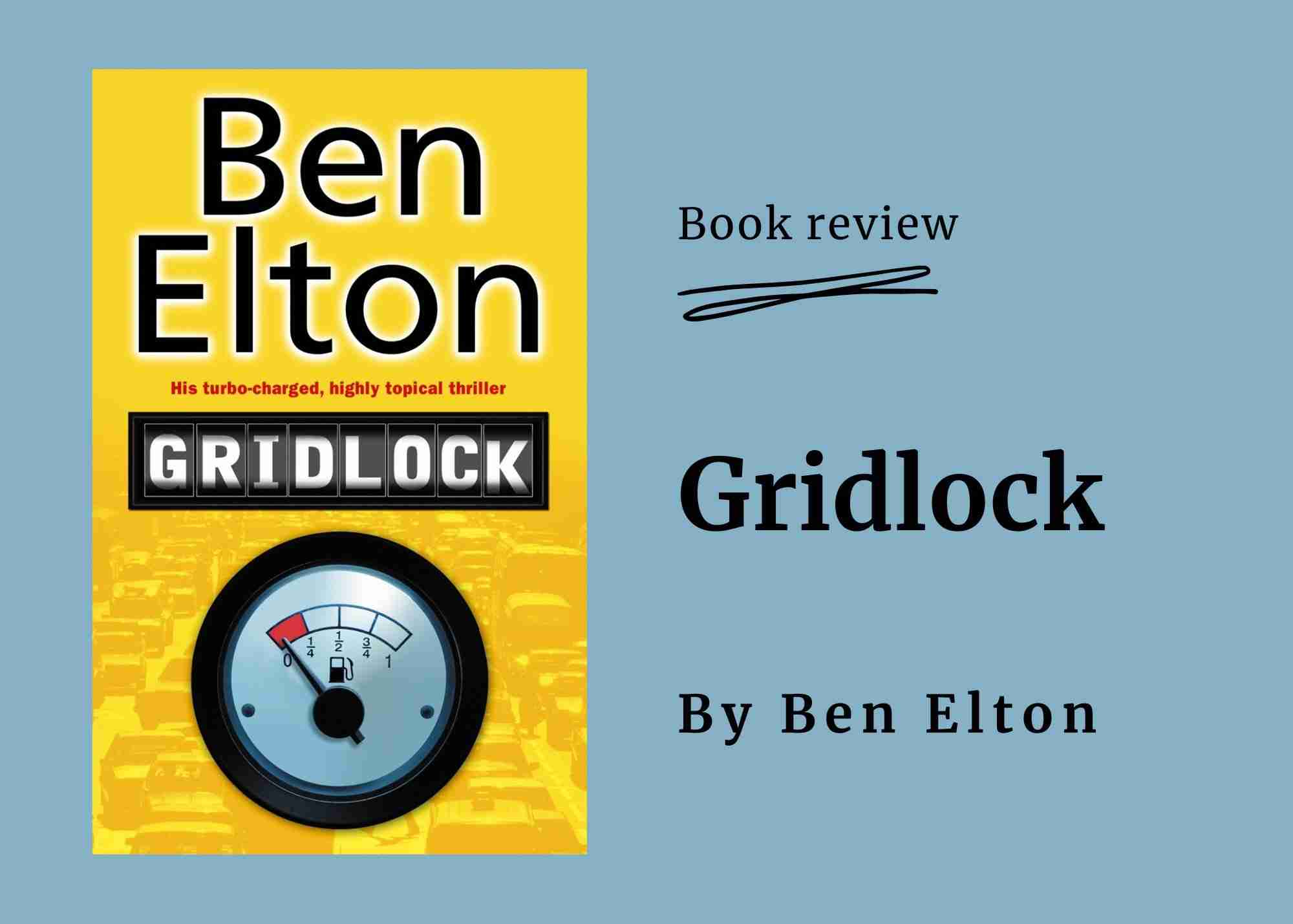
Reading ‘Gridlock’ feels like being strapped into a high-speed chase that never escapes the system it’s racing against. Ben Elton delivers a fast, often funny thriller about transport, politics, and power – then ends it on a note that feels uncomfortably close to reality.
The novel looks straightforward. There are clear goodies and baddies: Geoffrey, an idealistic inventor who has created a hydrogen engine he wants used only for public transport; Deborah, his sharp, resilient ally; and corporate executives and political operators who see the invention as something to be monetised, ransomed, or buried. The pace is relentless. People chase, hide, double-cross and betray one another across a London already choking on traffic. It’s a fun ride through a serious subject, and Elton knows how to keep the pages turning.
The tone makes this book work. Elton’s humour isn’t there to soften the argument; it’s there to make it bearable. Without the jokes, the story would collapse under the weight of its own bleakness. With them, Elton points directly at human folly – corporate greed, political cowardice, public complacency – and still keeps the novel entertaining. His authorial asides are a risky choice, but his wry voice keeps them from sliding into lectures.
The book’s boldest move comes halfway through, when Geoffrey – the clear hero – is abruptly killed. It’s a moment that wrong-foots the reader, and it shouldn’t work. Instead, it expands the novel. What begins as a personal story about an inventor protecting his idea widens into social commentary. The fight continues without him, and that absence becomes the point. Change, the novel suggests, is bigger than individuals – and far more resistant than we like to believe.
The final act, set amid literal gridlock, pulls the themes together with brutal clarity. The revelation that congestion itself has been engineered to manufacture public consent for more roads and more cars lands hard. When the dust settles, the status quo hasn’t been overturned. No one wins. The book doesn’t offer a neat victory, and that’s what makes ‘Gridlock’ feel honest. This is how these battles usually end: with vast forces reasserting themselves.
I finished the book surprised, unsettled, and still energised by its momentum. ‘Gridlock’ doesn’t offer solutions, but it does something valuable – it makes the cost of carrying on as we are impossible to ignore. That may not be comforting, but it’s compelling reading.