
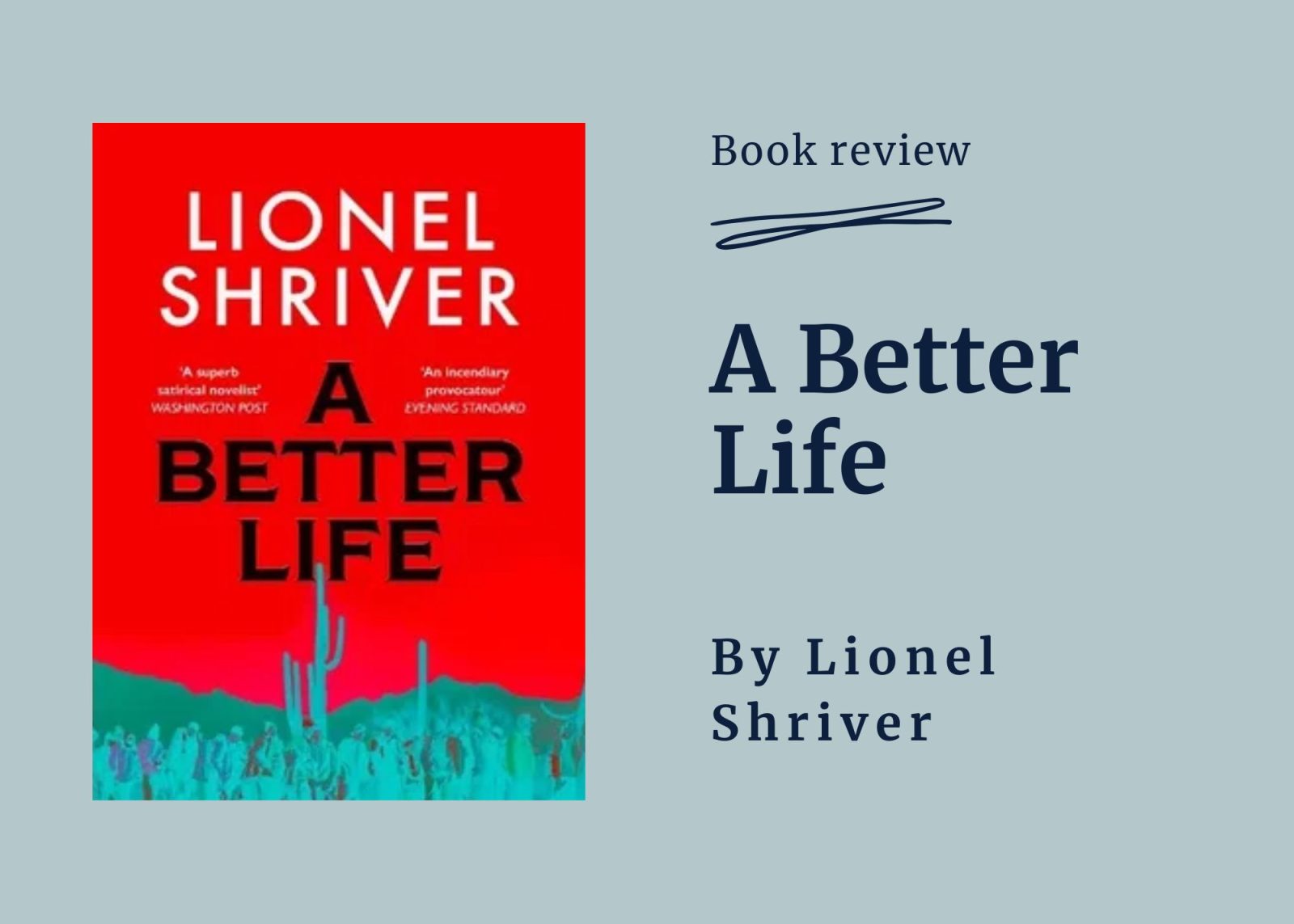
Nico is in his late twenties, five years out from an electrical engineering degree, and living rent free with his divorced mother in her big New York house while he makes his grandfather’s $75,000 inheritance last as long as he can. His mother, a committed liberal who volunteers at a shelter, takes in Martine, a migrant living in the country illegally, through a city scheme called Big Apple, Big Heart. Nico is appalled at this disruption but he has no say in the decision.
Things start well, then escalate in a way that suggests Nico was right to resist this intrusion into his comfortable way of life.
What kept me reading is how well this book is written. Shriver shows the tension between her characters through their conversations and leaves you to draw your own conclusions. Her observations are sharp and clear, and she plays out a huge national issue inside one household. The humour comes from people with opposing views trying to talk to each other, and it’s more discomfort than comedy.
I liked Nico as the narrator, but he would have been a pain to live with. He has hit pause on his life and seems content to stay there, watching. He’s stuck, and he spends a lot of time thinking things through, which makes him good company on the page.
Martine creates the uncertainty – it’s really hard to know what’s true and what isn’t. She seems to genuinely connect with Nico’s mother, who is a classic do-gooder, close to her two daughters, exasperated by her son and hot-headed with anyone she disagrees with.
Shriver lets Nico’s arguments against a liberal approach to illegal immigration play out in a close-up context that makes it hard not to sympathise with him, and to understand far better why illegal immigration is such a big issue in the States.